On a recent flight back from Puerto Rico, I watched the world outside my window change from bright tropical greens to frozen whites in what felt like minutes. The deep South and East, places that are not used to this kind of cold, were suddenly covered in ice. Roads shut down, pipes burst, and travel plans fell apart.
Your spine can go through the same kind of sudden change.
With scoliosis or long-standing low back pain, it can feel like things are “fine enough” for a while – until one unexpected event makes everything harder. This is why waiting to see if it gets worse is not treatment. Small, steady steps now, including scoliosis specific exercise like PSSE and Schroth, can make your spine more resilient before life throws its next “cold snap” at you.
From Tropical Skies to a Frozen South
As I was flying back from Puerto Rico, I was struck by how fast the landscape changed.
One moment I was looking down at turquoise water, palm trees, and sun. A short while later, the fields and roads below turned white and gray. Snow and ice covered areas of the South and East that simply are not built for that kind of weather.
This cold snap:
- Disrupted flights and shut down highways
- Burst pipes in homes and buildings
- Created dangerous conditions for people just trying to get to work or see family
It will probably cost a lot of time and money to fix what was damaged. And like many of you, I hope we do not see a large loss of life or property from something as simple as “a change in the weather.”
Watching that from the plane window, I could not help thinking about scoliosis, complex spines, and how quickly things can change when we are caught unprepared.
Your Spine Has Its Own “Weather System”
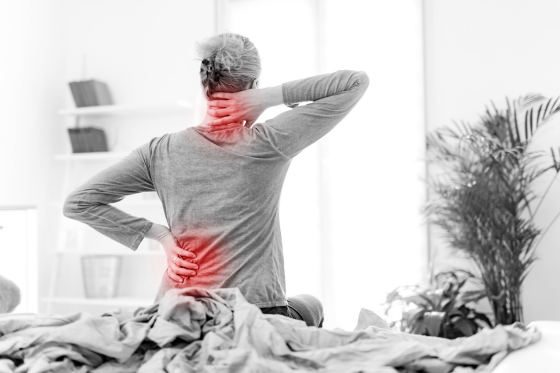
Most of the adults I see with scoliosis or chronic low back pain do not wake up one morning and suddenly have a problem.
It usually looks more like this:
- A curve that has been there since adolescence
- Years of “just dealing with it” or being told “let’s wait and see”
- Adapting how you sit, stand, lift, or exercise without even realizing it
Then something happens.
A long flight. A new job that keeps you on your feet all day. Caring for a parent. A fall, a surgery, or even just a tough season of stress and poor sleep.
Suddenly, the spine that was “getting by” feels like it cannot keep up anymore.
Scoliosis and Complex Spines Are Like Homes Not Built for Freezing
That cold snap exposed which homes and towns were not built for extreme weather.
In the same way, scoliosis and complex spine issues expose where your body is not well prepared for extra stress:
- A curve may place more load on one side of the spine
- Muscles on one side may work overtime while the other side does very little
- Joints and discs can become irritated from years of subtle imbalance
For a while, your body adapts. You are incredibly good at compensating.
But when the “temperature” drops – when life adds extra stress – the weak spots show up.
That might look like:
- New or worsening low back pain
- Burning or aching between the shoulder blades
- Fatigue just from standing or walking
- Increased worry that your scoliosis is getting worse
The lesson from the cold snap is simple: waiting for the storm to pass is not enough if the structure itself is vulnerable.
“Waiting to See if It Gets Worse” Is Not Treatment
This phrase comes up in my clinic all the time: “My doctor said to just wait and see if it gets worse.”
I understand where that comes from. For years, scoliosis treatment in adults was mostly about watching the curve and waiting for big changes on X-rays.
But from a movement and quality-of-life perspective, waiting often means:
- Losing valuable time when your body is still very capable of change
- Allowing unhelpful movement patterns to become habits
- Letting fear and anxiety grow as you notice more stiffness or pain
If your house was built in a warm climate and you heard a deep freeze was coming, you probably would not say, “Let’s just wait and see if any pipes burst.”
You would:
- Drip the faucets
- Open cabinets to let warmer air reach pipes
- Add extra insulation where you can
With scoliosis and spine problems, the same idea applies.
Waiting to see if it gets worse is not treatment.
Preparation, strengthening, and learning how to move with your unique spine – that is treatment.
What Active Scoliosis Treatment Can Look Like
For adults over 35, scoliosis treatment is not about chasing a perfect X-ray.
It is about:
- Reducing pain and fatigue
- Improving posture and confidence
- Protecting your spine for the long term
One way we do this is through scoliosis specific exercise.
What Is Scoliosis Specific Exercise (PSSE)?

Physiotherapeutic Scoliosis Specific Exercises (PSSE) are targeted exercises designed for people with scoliosis.
Instead of generic core work, PSSE focuses on:
- Your exact curve pattern
- How your ribs and pelvis line up
- How you breathe into areas that are often compressed
Schroth based scoliosis specific exercise is one of the best known forms of PSSE.
In simple terms, Schroth and other PSSE approaches help you:
- Learn how your curve behaves in standing, sitting, and lying
- Use specific breathing to gently open up the compressed side of your ribcage
- Practice postures and movements that bring your spine closer to its best possible alignment
Over time, this creates what I often call a “muscular safety net” around your spine. You build strength, endurance, and awareness in the areas that need it most.
How This Helps in Real Life
When adults commit to a tailored scoliosis specific exercise program, they often notice:
- Less low back pain during daily tasks
- Better tolerance for standing, walking, or travel
- More upright posture without as much effort
- A sense of control instead of just waiting for the next flare up
Is it magic? No. It is simply using the body’s ability to adapt in a very specific, intentional way.
Movement is medicine for the spine, especially when that movement is guided by someone who understands scoliosis.
Building Your “Cold Weather Plan” For Your Back
That cold snap reminded me that we all need a plan before the storm hits.
For someone with scoliosis or recurring low back pain, a spine “weather plan” might include:
1. Clear Understanding of Your Spine
Instead of just knowing “I have scoliosis,” you deserve to understand:
- Which way your curve shifts
- How that affects your muscles and joints
- Which positions are helpful and which ones overload you
In our clinic, education is a huge part of scoliosis treatment. Education that empowers lasting change is just as important as the exercises themselves.
2. A Personalized Scoliosis Specific Exercise Program
This is where PSSE and Schroth principles come in.
We look at your posture from all angles and design a plan that fits your life, your goals, and your current capacity. That might mean:
- Short daily routines you can do at home
- Posture strategies at work or while driving
- Progressions to safely build strength over time
Small, consistent steps create real change.
3. Strategies for High Stress Times
Life will bring its own “cold snaps”:
- Busy seasons at work
- Caring for kids or aging parents
- Travel, holidays, or illness
Part of your plan should include:
- Modified versions of your exercises for flare up days
- Positions that calm pain instead of aggravating it
- Simple breathing and movement tools you can use anywhere
This way, when stress shows up, you are not starting from zero. You already know how to support your spine.
Realistic Goals: Not Perfect, but Resilient
Especially for adults, scoliosis treatment is rarely about making the curve disappear.
Instead, the goals are more meaningful in daily life:
- Can you get through your day with less pain?
- Can you stand or sit with more ease and less effort?
- Do you feel more confident and less afraid of the future?
Over the years, I have learned that when people understand their spine and have a clear plan, their worry goes down and their confidence goes up.
You deserve to move with confidence, even if your spine is not “perfect” on an X-ray.
How a Discovery Visit Fits In
If any part of this story feels familiar – the slow build of pain, the sudden flare, the advice to “wait and see” – you are not alone.
A Discovery Visit at Align Therapy is simply a chance to:
- Talk about your history, your scoliosis, and your goals
- Ask questions you may not have had time to ask before
- Learn whether scoliosis specific exercise, PSSE, Schroth based care, or other physiotherapy approaches might be a good fit for you
There is no pressure and no obligation. It is a conversation, not a commitment.
For many people, that first step is the shift from passively waiting to actively caring for their spine.
The weather will change. Life will bring stress. But you do not have to face it unprepared.
If you would like to explore more scoliosis education and resources, you can also visit our scoliosis portal.
You Do Not Have to Wait for the Next Storm
The cold snap in the South and East will pass, but the damage and cost will linger.
With your spine, you have an opportunity to do something different.
You can choose to:
- Stop relying on “wait and see”
- Learn how your unique spine works
- Build strength and resilience with the right guidance
You do not have to navigate this alone. Let’s take the next step together.
Schedule a Discovery Visit to learn more about how we can help you move with more confidence and less fear about the future of your spine.
This information is for educational purposes only and is not a substitute for professional medical advice, diagnosis, or treatment. Always consult your healthcare provider about your specific situation.